
Weddings are extraordinary occasions filled with love, joy, and cultural significance. When it comes to Jewish weddings, they are a celebration of traditions, rich heritage, and unity. From the moment the couple decides to tie the knot to the grand celebration of their union, a Jewish wedding follows a beautiful timeline that encompasses various rituals and ceremonies. In this blog post, we will delve into the timeline of a Jewish wedding, exploring the significant moments that make this occasion so special.
The Tisch
This is a traditional pre-wedding gathering of the groom, his male relatives, and close friends. The atmosphere is jovial and filled with joyous singing and storytelling, the purpose of which is to honour and celebrate the groom’s upcoming marriage while offering words of wisdom and support. To read more about the Tisch, read our article here.

The Bedeken:
This is a significant and emotional moment that consists of the veiling ceremony just before the actual wedding ceremony. The Bedeken is accompanied by joyous singing and heartfelt blessings from family and friends. To read more about the Bedeken, read our article here.
Kabbalat Panim:
Before the official ceremony begins, guests gather to greet and offer their blessings to the bride and groom. Kabbalat Panim means “receiving faces” and is a time for well-wishers to congratulate and support the couple before they enter marriage.
Processional:
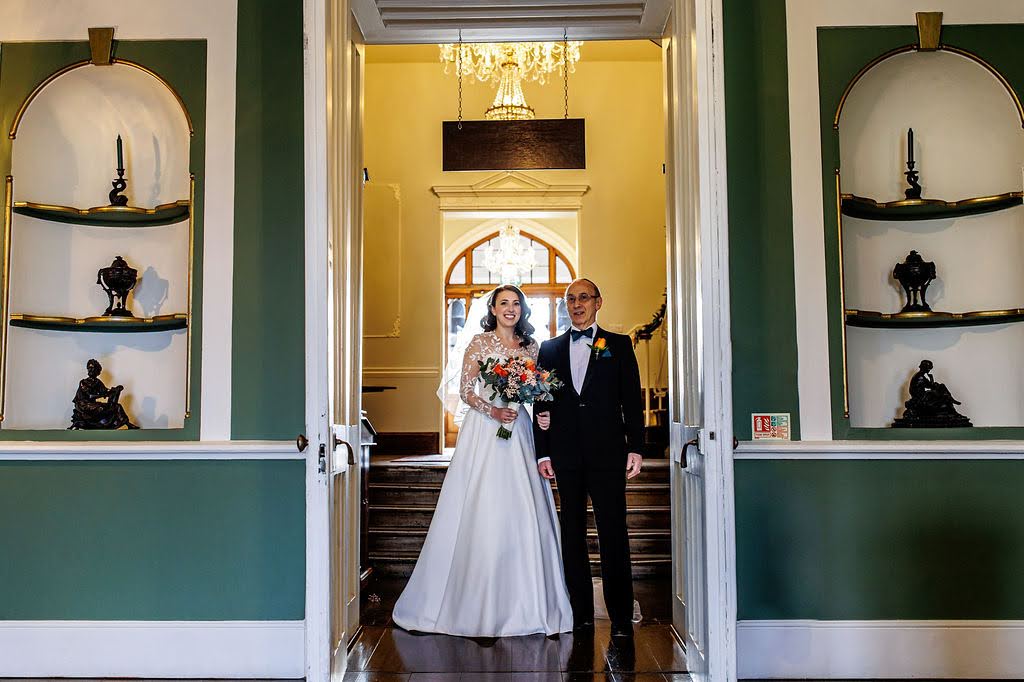
The wedding ceremony begins with the entrance of the wedding party, including the parents and close family members. The groom traditionally walks down the aisle escorted by his parents, while the bride may choose to be escorted by both parents or by her parents individually.
The Chuppah:
The highlight of the Jewish wedding ceremony is the Chuppah. This beautifully decorated canopy represents the couple’s new home and symbolises the sanctity and openness of their relationship. The bride and groom, along with their parents and close family members, stand beneath the Chuppah during the ceremony
Blessings and Kiddushin:
Under the Chuppah, the rabbi leads the ceremony by reciting blessings over wine. The couple, along with their witnesses, will then participate in the Kiddushin, the betrothal ceremony. The groom traditionally places a ring on the bride’s finger, accompanied by a Hebrew declaration of his intent to marry her.
Reading of the Ketubah:
The Ketubah, a Jewish marriage contract, is then read aloud. The Ketubah outlines the couple’s mutual responsibilities, rights, and obligations. It serves as a symbolic commitment to building a life together based on Jewish values and principles.

The Exchange of Rings:
As a symbol of commitment and love, the couple exchanges rings under the Chuppah. The rings are typically plain and free from any adornments, emphasising the significance of the union itself rather than material possessions.
Sheva Brachot (Seven Blessings):
One of the highlights of the Jewish wedding ceremony is the recitation of the Sheva Brachot, or the Seven Blessings. These blessings, traditionally led by the officiating rabbi or honored guests, celebrate love, joy, and the sanctity of marriage. Each blessing praises different aspects of married life and offers wishes for harmony, prosperity, and the establishment of a peaceful and loving home. To read more about the seven blessings, read our article here.

Breaking of the Glass:
As the wedding ceremony concludes, the groom breaks a glass under his foot. This act holds multiple interpretations, including a reminder of the destruction of the Temple in Jerusalem and a symbol of the couple’s commitment to mend the world and face challenges together.
The Yichud:
Following the ceremony, the couple retreats to a private room called the Yichud, where they spend a few moments alone as newlyweds before joining the wedding celebration.
The Reception:
The wedding celebration commences with lively music, dancing, and feasting. The reception is a joyous event where family and friends come together to celebrate the newlyweds’ union. Traditional Jewish music, such as the Hora, adds to the festive atmosphere as everyone dances in a circle, lifting the couple on chairs.
So there we have it, a simple timeline of a Jewish wedding day. We hope this is helpful in educating people about the beauty of Jewish weddings and telling you a little something about what to expect!
Photos by Rafe Abrook


